
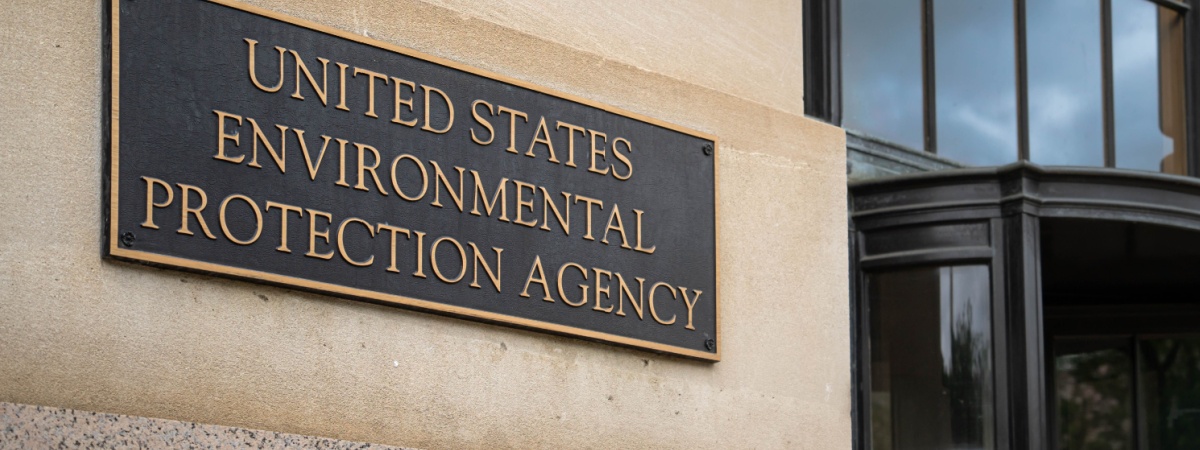
The U.S. Environmental Protection Agency (EPA)’s repeal of the 2024 Mercury and Air Toxics Standards (MATS) amendments may be more than a one-off rollback. The action may instead signal a broader shift in how the EPA evaluates the benefits of environmental rules — particularly whether the agency will count or monetize “ancillary” benefits, such as reductions in pollutants other than the target pollutant.
If the MATS Repeal is a guide, the EPA appears poised to give less weight to benefits it views as outside the statutory target of the rule.
The MATS Repeal marks only the most recent installment in the agency’s policy evolution on which costs are to be considered in rulemaking. The process began in 2015, when the Supreme Court, in Michigan v. EPA, held that the EPA erred in promulgating an earlier version of the MATS rule without considering cost in its calculation that the rule was “appropriate and necessary” under the Clean Air Act (CAA) Section 112(n)(1)(A). But the Michigan Court left open how costs and benefits should be weighed and said nothing about whether ancillary benefits must be counted.